Games2024
Dungeon Break
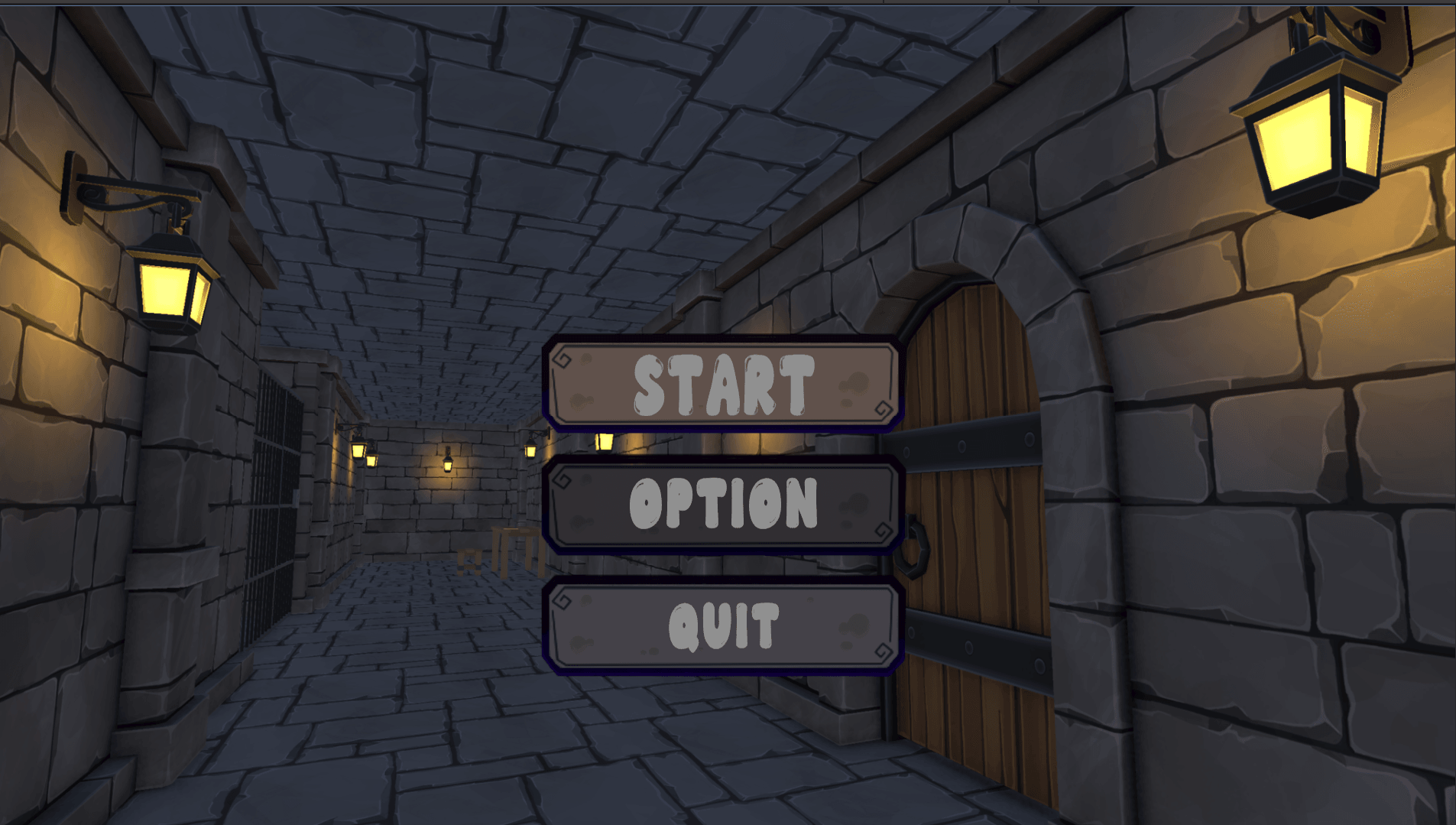
A puzzle-adventure game where the player becomes trapped inside a dungeon and must solve a series of interconnected puzzles to escape.
- Role
- Team Leader & Gameplay Programmer
- Platform
- PC
- Built with
- Unity
- Timeline
- 2 months
01
Overview
Dungeon Break is a puzzle-adventure game where the player becomes trapped inside a dungeon and must solve a series of interconnected puzzles to escape.
The project focused heavily on creating reusable gameplay systems rather than building each puzzle as a one-off implementation.
02
Interaction & door systems
I developed several reusable interaction systems that could be configured for different gameplay situations.
Simple door
A basic interactable door that opens when the player enters its trigger area and presses E.
Lever system
A reusable lever system designed to trigger different animations or gameplay events.
For Dungeon Break, the system was used to control doors, but its structure allows the same interaction to be reused for other animated objects.
Pressure plate system
A configurable pressure plate system capable of responding to objects based on their tags.
This allowed the same underlying system to be reused across different puzzles while giving designers control over which objects could activate each plate.
03
Combination puzzle
One of the puzzles requires the player to place boxes on the correct pressure plates. Instead of directly hard-coding each plate, I created a system that converts the state of the plates into a numerical value.
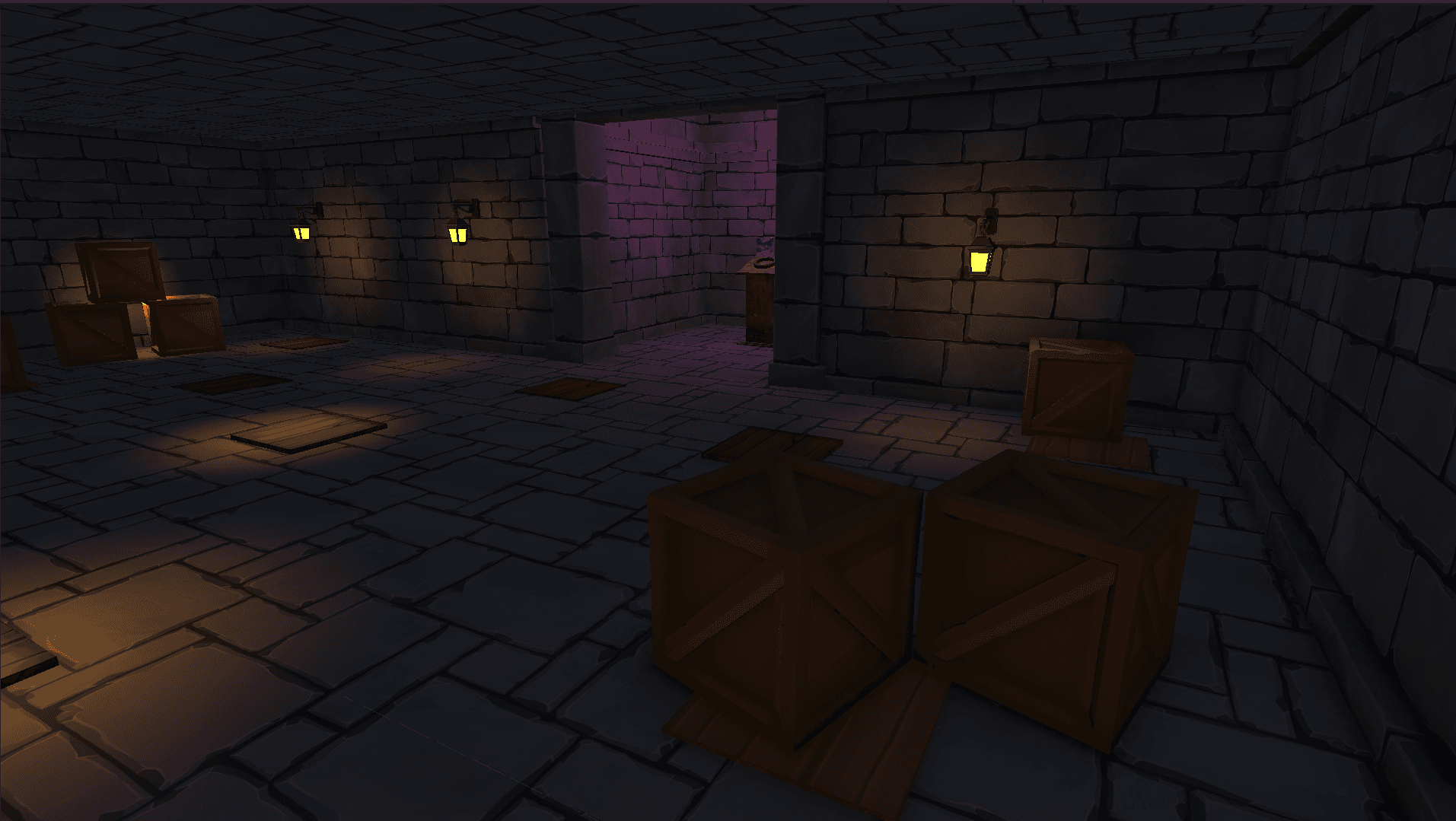
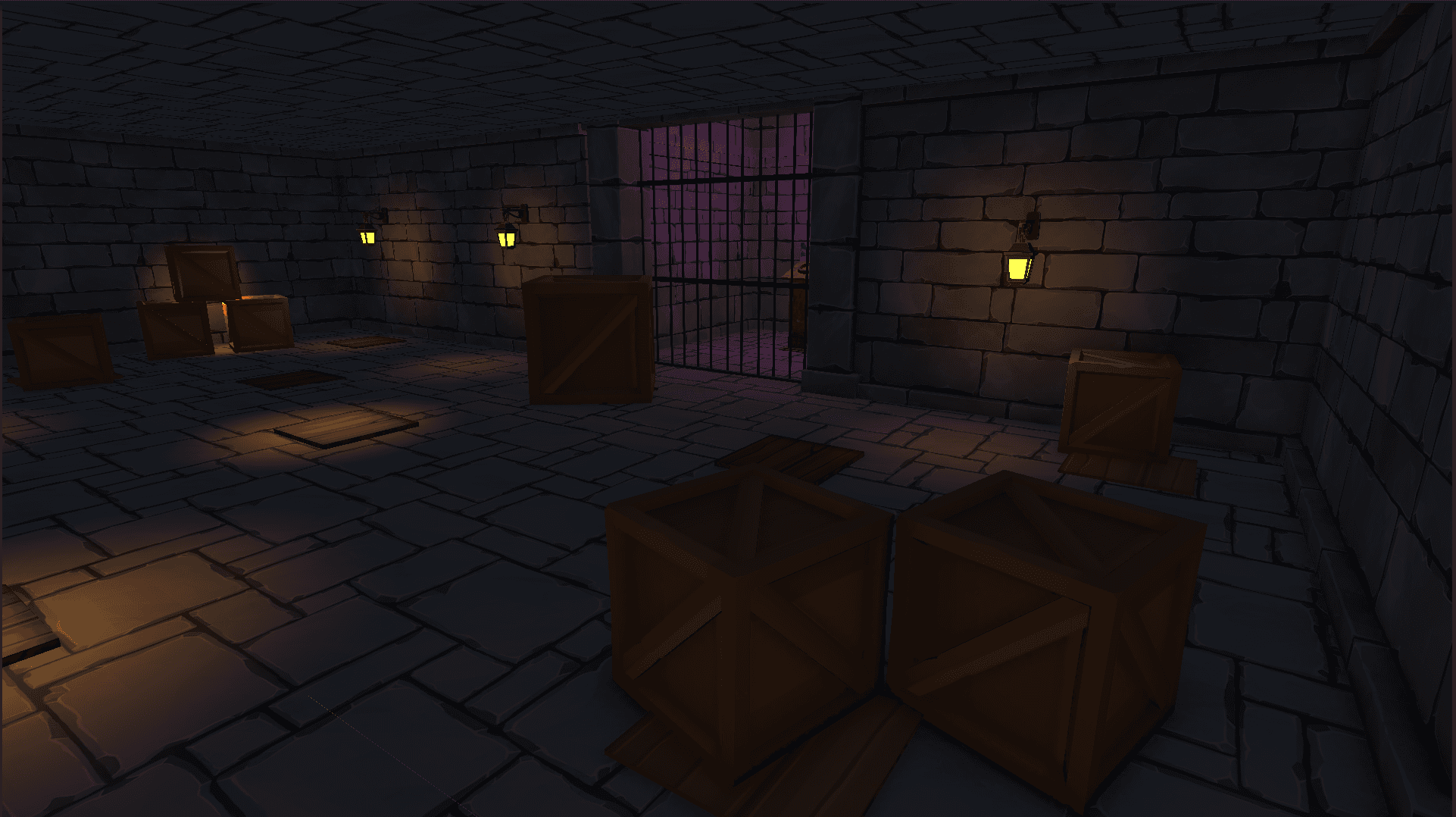
Each pressure plate produces a binary state:
0: inactive1: activated
The system reads these states, converts them into a decimal value, and compares the result against a predefined combination.
If the combination matches, the gate opens. If even one box is placed incorrectly, the resulting value changes and the gate remains closed.
This approach allowed the puzzle to function as a configurable combination system rather than a collection of individually scripted conditions.
04
Lever & moving platform puzzle
Another puzzle requires the player to activate multiple levers. The player must use moving platforms to reach the different levers and trigger them all.
The moving platform system allows the player to move together with the platform by temporarily making the player a child of the moving object.
A manager system tracks the state of the different levers and determines when the required combination has been completed.
05
Main hall & progression
After completing each puzzle, the player discovers a stone that must be returned to the dungeon's main hall. Rather than relying on physics-based object carrying, I implemented the interaction as a controlled gameplay state:
- The player collects the stone.
- The stone becomes active in the player's hand.
- The player returns to the main hall.
- The stone can be placed in its corresponding stand.
The main hall contains multiple stands, each connected to a central manager. The manager checks whether all required stones have been placed.
Once the required stones are collected and returned, the system triggers the final gate animation, allowing the player to escape the dungeon.
06
Full playthrough
A complete playable puzzle-adventure experience developed as a team project, with a focus on reusable gameplay systems, interaction design, puzzle logic, and progression.
Technical
- Year
- 2024
- Platform
- PC
- Timeline
- 2 months
- Medium
- Games
- Role
- Team Leader & Gameplay Programmer
- Status
- Released
- Built with
- Unity
Also in the archive
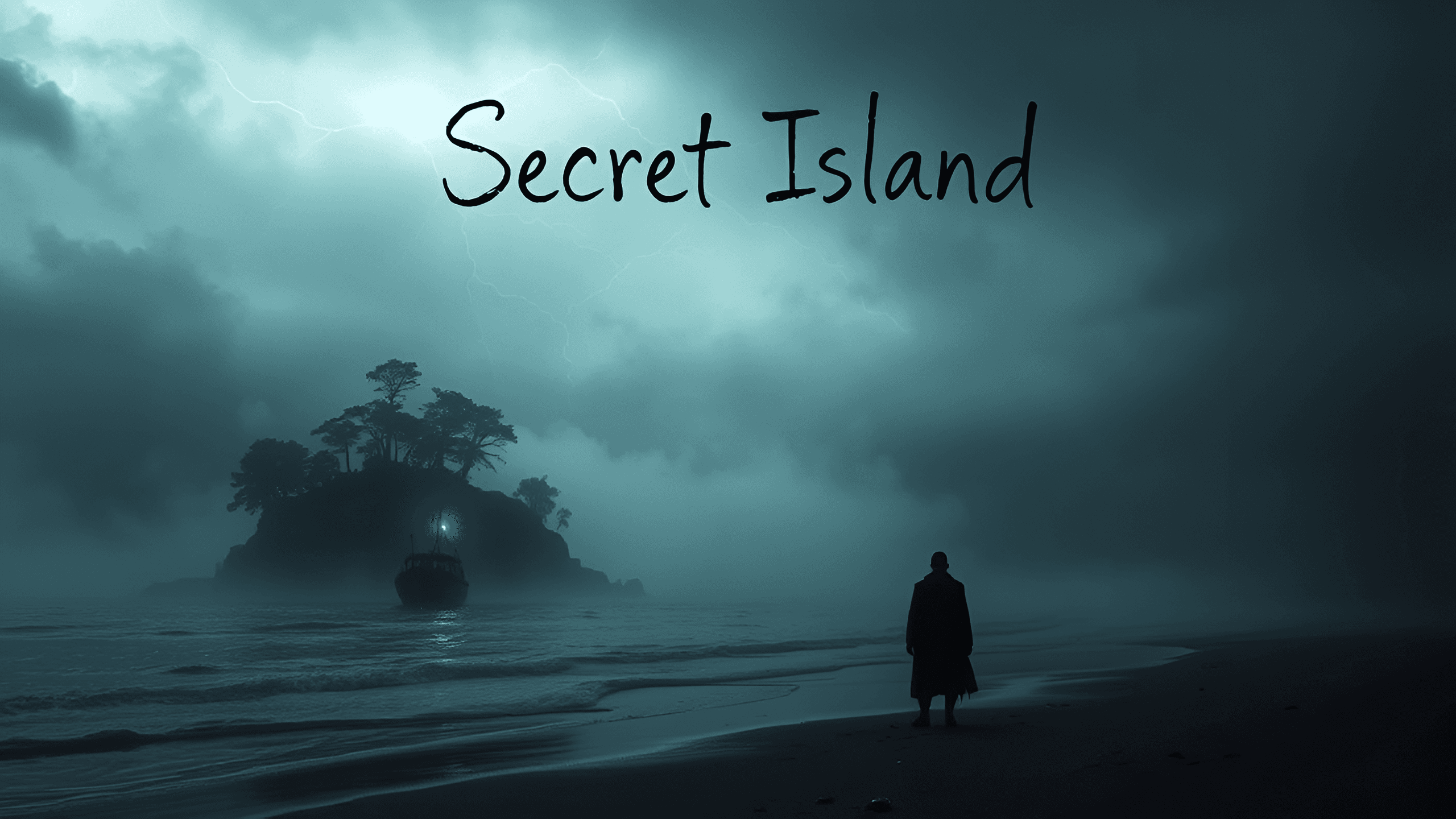
Secret Islands
In developmentGames · Experiments
An experimental horror game where the player works for a mysterious company. Their task is simple: find specific objects.
Hopa
2023Games
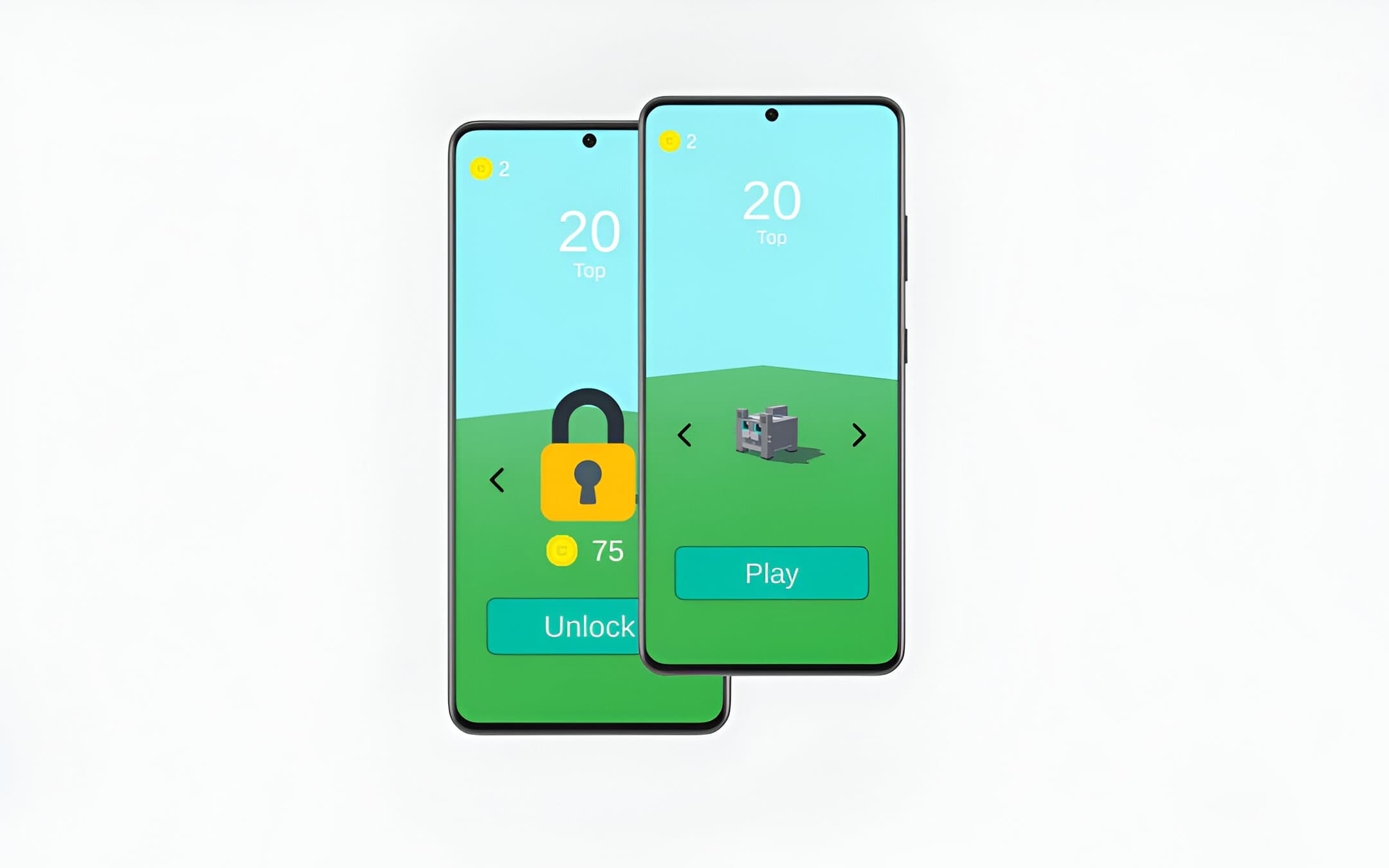
A mobile game where animals hop onto stacking platforms, collecting coins to unlock new characters.

EGS
2025 to 2026Games · Interactive systems
Emotion-Responsive Game Testing System